How a book is built here.
The exercise order, the ruling, the paper, the binding that lets it lie flat, and the proofing. And, at the end, the list of things a workbook is not.
The exercise order
Start from the last page and work back. That is how every title here is planned, and it is why the pages come in the order they do.
A workbook is written backwards. We start from the last page, which is the thing the book is for: a joined sentence, a long division, a shaded sphere, a paragraph typed without looking. Then we ask what has to be secure the page before that, and the page before that, until we reach something anyone can do on page one. Written out forwards, that list is the exercise order.
Two rules hold the order together. Nothing on a page depends on a page that comes later. And every new thing gets a page to itself before it is mixed with anything else. The mixed pages are where the practice happens; the single pages are where you find out what the thing is.
Instructions are set in short sentences at the head of the page, in the second person, with the example under them. If an instruction needs a second sentence we rewrite it until it does not. A page that needs explaining has been written wrong.
The ruling and the paper
The paper is picked for the pencil or pen the book expects, and the weight is printed on the cover so you can check it against the page in your hand.
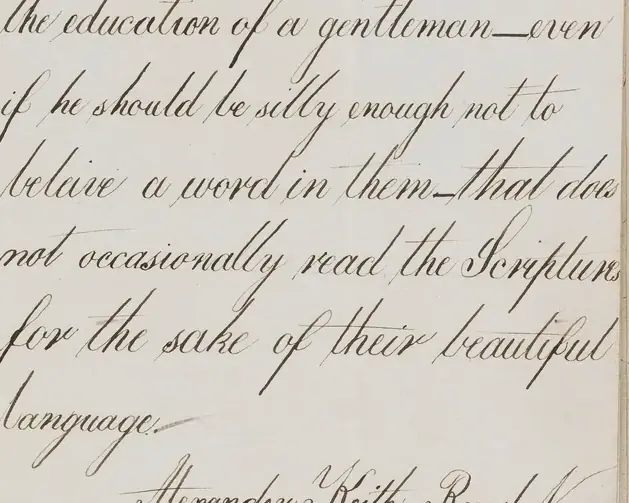
Ruling is set for the book, not borrowed from a stock sheet. Handwriting books are ruled to three heights, with the x-height printed on the cover. Number books are ruled in small squares so columns stay in line. Sketching books are ruled faintly on the exercise page and not at all on the facing page. Typing books are ruled as text, with the drill on the left page and a blank column on the right to note errors by hand. The ruling is printed in a pale blue that a pencil sits over and a photocopier drops out.
Paper is chosen for the tool the book expects. Books written in pen are printed on 120 gsm uncoated white, which takes a fountain pen without bleed-through. Books written in pencil are printed on 110 gsm, which is lighter and takes an eraser without pilling. Sketching books are printed on 140 gsm cartridge, because a soft pencil and a good deal of rubbing out are hard on a page. The weight is printed on every back cover, with the ruling, and it does not change between printings.
Every book is bled: the ruling runs to the trimmed edge, so there is no white frame around the page and a line can start at the margin.
The binding that lets it lie flat
Sewn sections, glued into a scored cover. It costs more than a glued spine and it is the difference between a book you can write in and one you fight.
A practice book is used open, on a table, with both hands busy. A book that closes itself is not a practice book. So every title here is bound as sewn sections: the pages are folded into gatherings of sixteen, the gatherings are stitched through the fold, and the stitched block is glued along the spine into a cover with a scored hinge. Opened to any page it stays there, flat, without a hand on it or a mug on the corner.
We do not perfect-bind the workbooks. Perfect binding, the glued spine you find on most paperbacks, is cheaper and is fine for a book that is read once and shut. Held open at a hundred and twenty degrees for weeks it cracks, and the pages near the crack begin to come away. The refill pads are the exception: they are gummed at the head so a sheet can be torn off clean, which is what a pad is for.
Covers are a heavier card in a plain colour with the title, the ruling and the paper weight on the back. There is no picture on the front. The book is the picture.
The proofing
One copy is worked through by hand before any title is printed. The book you get has been done at least once by someone who was looking for its faults.
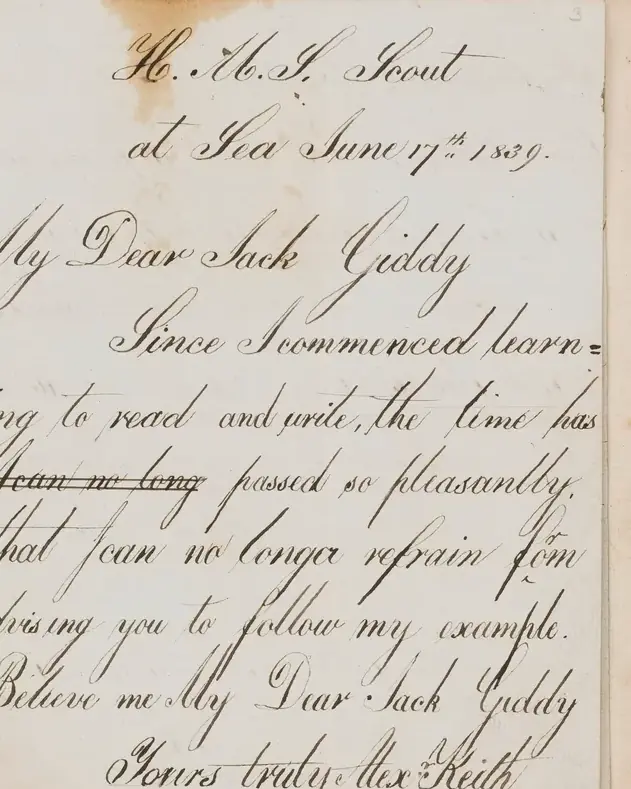
Before a title is printed in quantity, one copy is made and worked through by hand, every page, with the pencil or pen the book expects. That copy is where we find the page that takes an hour, the instruction with a second sentence, the ruling that is a millimetre out, the answer key with a slip in it. Every one of those is fixed and a second copy is made. Only then is the book printed.
The answer keys are worked twice by two different people and the two sets compared, because a wrong answer in a key is worse than no key at all. When a slip is found after printing, the book is corrected at the next printing and the correction is printed on a slip in every copy sold before then.
The finished book is checked once more before it is packed: the ruling against the cover, the page count, the binding opened at the middle and at page four.
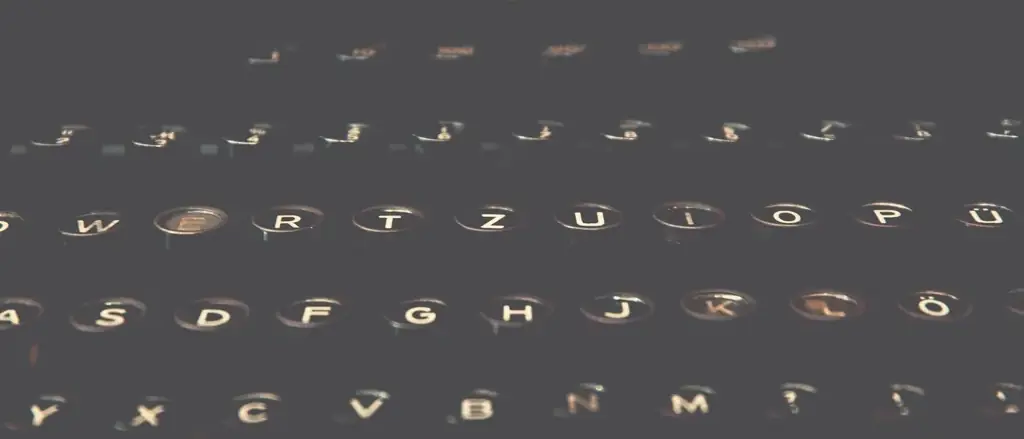
A workbook is a printed book of exercises and nothing else. It is not a course: there is nobody teaching. It is not a lesson: nothing is explained beyond the instruction at the head of the page. It is not an assessment: nobody marks it and no score comes out of it. It is not a qualification: there is no certificate, no level, and no last page that says you have passed. It is paper, ruled and bound, with something worth practising printed on it.